Tanzania to India: Tigers and Responsible Tourism
Wildlife tourism has become one of the most powerful tools in modern conservation. From the golden grasslands of Tanzania home to lions, elephants, and giraffes to the dense jungles of India that protect the last stronghold of wild tigers, tourism plays a transformative role. When done responsibly, tourism becomes much more than sightseeing; it evolves into a force capable of restoring ecosystems, uplifting local communities, and safeguarding the planet’s rarest species.
In this 2500-word exploration, we journey across two nations: Tanzania, the beating heart of Africa’s wilderness, and India, the sanctuary for more than 70% of the world’s tiger population. Together, they show how responsible tourism can protect wildlife, reshape rural economies, and inspire global conservation.
Wildlife Bridges Between Two Nations
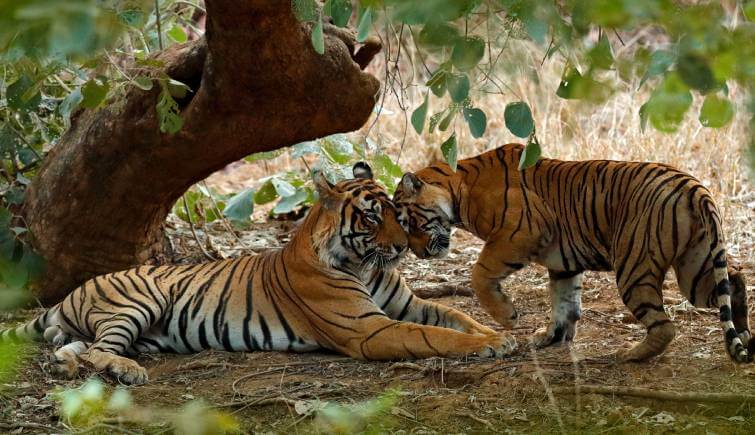
Tanzania and India may seem worlds apart, but their ecosystems share a powerful link both countries are biodiversity hotspots housing some of Earth’s most iconic animals. While Tanzania is renowned for its expansive savannas and “Big Five,” India boasts the world’s largest population of wild tigers. Interestingly, both nations have built their wildlife economies around responsible tourism, ensuring nature thrives alongside human development.
The global spotlight on these destinations has grown due to increasing awareness about wildlife loss. Species like tigers, elephants, and rhinos are endangered, primarily from habitat destruction, poaching, and climate change. Tourism, if conducted responsibly, can reverse these trends by generating conservation funds, jobs, research support, and a heightened sense of environmental stewardship.
Tanzania’s Wildlife Heritage: Where the Great Migration Roams
The Landscape of Wonders
Tanzania is synonymous with vast open plains, volcanic craters, coral reefs, and protected forests. The country shelters more than 20% of Africa’s large mammal population, making it one of the most important conservation landscapes on the continent.
Key protected areas include:
- Serengeti National Park – Home to the Great Wildebeest Migration
- Ngorongoro Conservation Area – A UNESCO World Heritage Site
- Tarangire National Park – Known for giant elephant herds
- Ruaha National Park – Tanzania’s largest national park
- Selous Game Reserve (Nyerere National Park) – A pristine southern wilderness
These ecosystems function like natural theatres showcasing predator-prey dynamics, seasonal migrations, and evolutionary adaptations that go back millions of years.
The Great Migration: A Natural Marvel
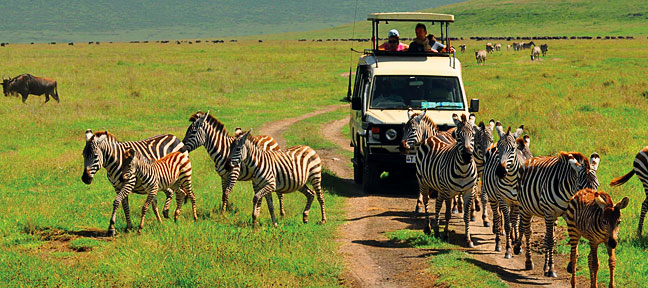
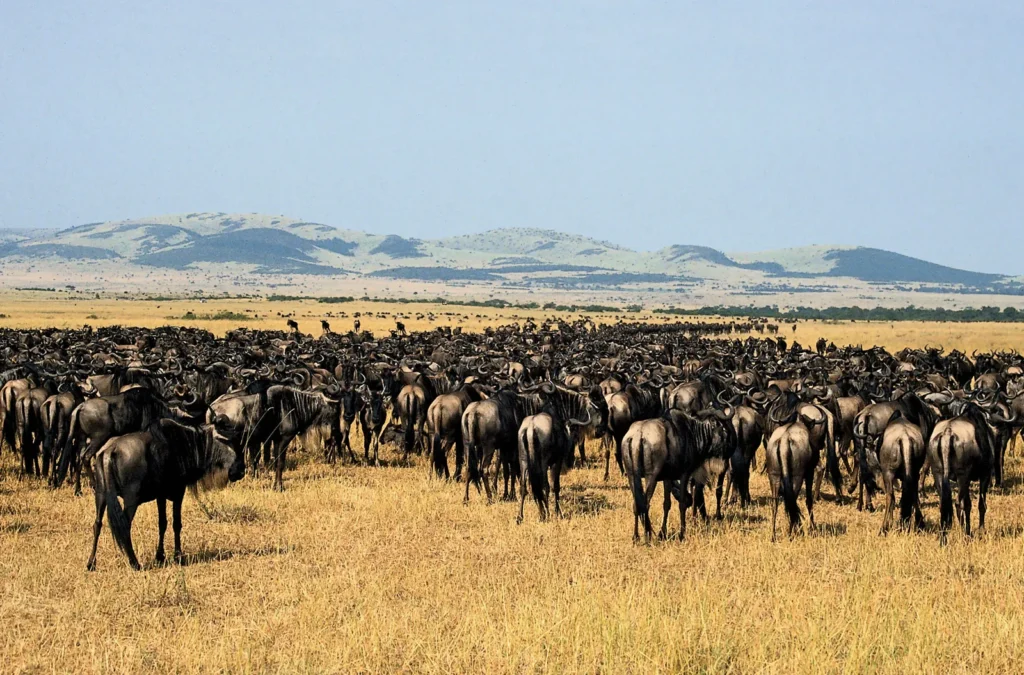
Arguably the most dramatic wildlife event on Earth, the Great Migration involves over 1.5 million wildebeest, hundreds of thousands of zebras, and gazelles moving in a circular pattern across Tanzania and Kenya.
The migration supports tourism revenue, research programs, and protection measures for predators like lions and hyenas. Without the economic power of tourism, preserving such a vast landscape would be nearly impossible.
Big Cats of Tanzania
Tanzania is one of the world’s strongholds for large carnivores:
- Lions – The Serengeti is home to the largest lion population on Earth.
- Leopards – Masterful climbers of the plains and riverine forests.
- Cheetahs – The fastest land animals, thriving on the Serengeti plains.
These animals often attract wildlife photographers and conservationists from every continent. The tourism dollars they bring fund ranger salaries, anti-poaching operations, and community development.
India’s Tiger Legacy: Rising from the Brink of Extinction
If Tanzania is known for lions, India is known for tigers arguably the most celebrated big cat in the world.
A Near-Extinction Story
By the early 1970s, India’s tiger population had collapsed from an estimated 40,000 to fewer than 1,800. Poaching for skins and bones, shrinking habitats, and unregulated hunting pushed the species to the brink. In response, the government launched Project Tiger (1973), a revolutionary conservation initiative that transformed India’s wildlife policies.
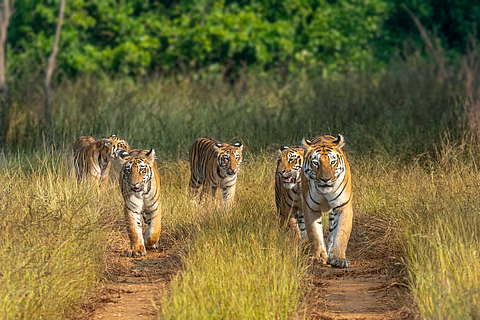
Today, India holds over 3,000 wild tigers, accounting for more than 70% of the global population. This remarkable recovery is one of the world’s greatest conservation successes.
India’s Tiger Reserves: The Guardians of the Stripes
India has 50+ tiger reserves, but some stand at the forefront of conservation:
- Jim Corbett National Park – India’s oldest tiger reserve
- Ranthambore – Known for bold, camera-friendly tigers
- Kanha and Bandhavgarh – Central India’s iconic landscapes
- Sundarbans – Home to the world’s only swimming tigers
- Nagarhole & Bandipur – Karnataka’s forest jewels
These reserves protect not only tigers but entire ecosystems deer, birds, reptiles, trees, rivers, and local communities.
The Tiger as a Cultural Icon
Unlike Tanzania’s lions, India’s tigers hold deep cultural significance. They appear in mythology, folklore, tribal art, temple sculptures, and modern cinema. This cultural attachment strengthens conservation, creating emotional support for tiger protection. The tiger symbolizes courage, strength, and the spirit of the wild.
The Meaning of Responsible Tourism
Responsible tourism is more than eco-friendly lodges or carbon-neutral safaris. It is a philosophy of travel that protects nature, respects people, and preserves culture. Tanzania and India are global examples of how responsible tourism can be woven into national policy and local practice.
Responsible tourism includes:
- Minimizing environmental footprint
- Supporting local communities economically
- Avoiding exploitation of wildlife
- Choosing ethical lodges and tour operators
- Respecting indigenous traditions and cultures
- Ensuring wildlife sightings do not disturb animals
It is the difference between tourism being a conservation solution or a conservation problem.
How Tourism Saves Wildlife:
Tanzania’s Economic Model
Tanzania earns significant revenue from nature-based tourism. From park fees to safari lodges, wildlife tourism directly funds:
- Ranger patrols
- Anti-poaching units
- Wildlife corridors
- Community conservation projects
- Research and species-monitoring programs
Each lion or elephant seen on a safari is directly linked to salaries, education, healthcare, and infrastructure for nearby communities. This creates a powerful incentive for locals to protect wildlife rather than exploit it.
India’s Tiger Tourism Model
India’s tiger tourism works similarly but with stricter regulations.
Tourism revenue supports:
- Habitat restoration
- Forest guards
- Tribal resettlement and welfare
- Fire management
- Conservation breeding
- Scientific monitoring (camera traps, pugmark studies)
In many villages around reserves like Kanha or Pench, responsible tourism has created jobs as guides, naturalists, drivers, artisans, and homestay hosts. When wildlife thrives, so do communities.
Common Challenges: Threats Faced by Both Countries
Despite progress, both nations struggle with similar threats:
Habitat Loss
Agricultural expansion, infrastructure projects, and human settlements reduce wildlife habitats.
- Tanzania loses nearly 400,000 hectares of forest each year.
- India’s tiger corridors are fragmented by highways and railways.
Loss of habitat leads to wildlife stress, population decline, and increased human-animal conflict.
Poaching and Illegal Wildlife Trade
Tigers are poached for skins and bones. Lions, elephants, pangolins, and rhinos face similar threats.
Both countries require extensive surveillance systems, ranger training, and international cooperation to stop wildlife trafficking networks.
Climate Change
Droughts in Tanzania disrupt migration routes.
Extreme heat and flooding in India impact tiger prey populations.
Climate shifts affect water availability, food sources, and predator-prey dynamics.
Human-Wildlife Conflict
When animals cross into villages, conflict arises.
- Elephants raid crops in Tanzania.
- Tigers and leopards attack cattle in India.
Responsible tourism helps reduce conflict by funding compensation programs and community education.
Tanzania and India: Shared Lessons in Conservation
Despite geographic differences, both nations share strategies that are transforming conservation:
Community-Based Conservation
In Tanzania’s Maasai communities and India’s tribes like the Baiga and Gond, conservation is successful only when local people are part of the solution.
Community-led tourism empowers villagers as:
- Wildlife guardians
- Eco-lodge managers
- Cultural ambassadors
- Tracking guides
- Educators and field researchers
Science and Technology in Conservation
Both countries are using:
- Camera traps
- Drones
- GPS collars
- Satellite imaging
- AI-based tracking systems
These tools help monitor animal movements, maintain corridors, and prevent poaching.
Benefit Sharing Models
A percentage of tourism revenue is given back to local communities in both nations. This strengthens support for conservation and reduces illegal activities like bushmeat hunting or unauthorized forest clearing.
Ethical Travel Tips for Tourists: From Tanzania to India
Tourists play a powerful role in shaping conservation outcomes. Here’s how responsible travelers can make a difference:
Respect Wildlife Boundaries
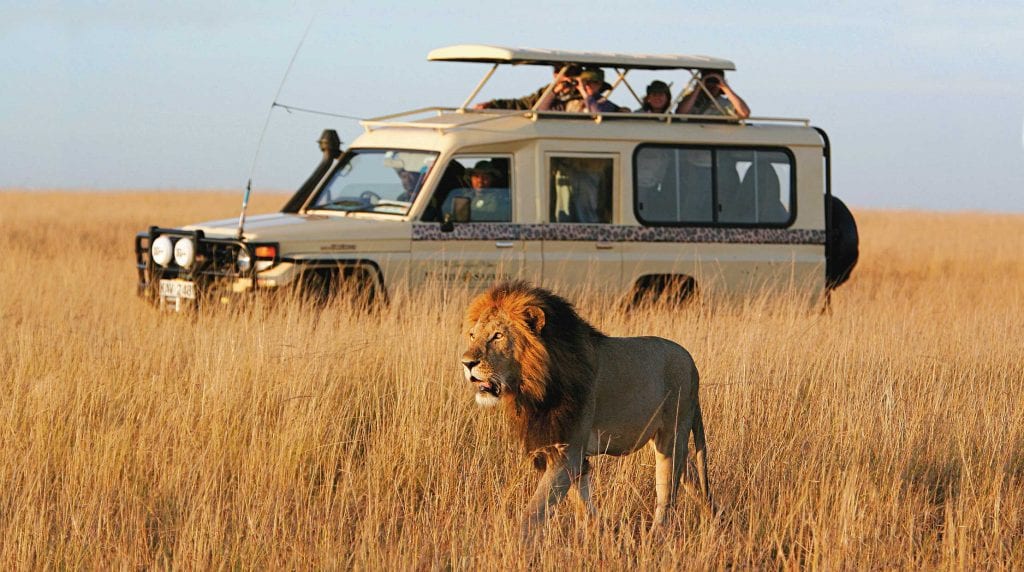
- Stay inside vehicles during safaris.
- Avoid loud noises.
- Never feed wildlife.
- Maintain a safe distance from animals.
Choose Ethical Operators
Select lodges and operators that:
- Follow eco-friendly practices
- Employ local communities
- Avoid exploitative activities (elephant rides, baiting animals)
- Support conservation programs
Minimize Environmental Impact
- Avoid plastic waste
- Use eco-friendly toiletries
- Conserve water and electricity
- Follow “leave no trace” principles
Respect Local Culture and Communities
- Learn basic greetings
- Ask before photographing people
- Support local artisans and businesses
- Dress respectfully in culturally sensitive areas
Support Conservation Initiatives
Tourists can contribute through:
- Donations
- Adopting an animal program
- Participating in citizen science projects
- Volunteering responsibly
The Future of Wildlife Tourism: Sustainable, Inclusive, and High-Tech
The future of wildlife conservation and tourism will be shaped by emerging trends:
Eco-Luxury and Low-Impact Lodging
More lodges are adopting:
- Renewable energy
- Rainwater harvesting
- Organic farming
- Plastic-free operations
Digital Safaris and Virtual Conservation
High-definition videos, VR experiences, and live-streaming wildlife cams are making conservation accessible to global audiences.
Rewilding and Corridor Projects
Both countries are restoring degraded lands and connecting fragmented habitats to support migration and genetic diversity.
Youth and Local Leadership
Young naturalists, tribal guides, and community conservationists are emerging as powerful voices for the planet.
Conclusion
Tanzania and India stand as shining examples of how wildlife and humans can coexist when managed responsibly. Their strong commitment to biodiversity, community empowerment, and sustainable tourism creates a blueprint for the rest of the world.
Both nations prove one crucial truth:
When wildlife thrives, humanity thrives.
From the striped majesty of India’s tigers to the roaring plains of Tanzania, responsible tourism isn’t just about travel it is a movement to protect the soul of our planet. The choices travelers make today will shape the landscapes and wildlife that future generations inherit.
Between Tanzania’s savannas and India’s forests lies a shared responsibility, a global promise, and an inspiring call to action:
Protect, respect, and celebrate the wild.