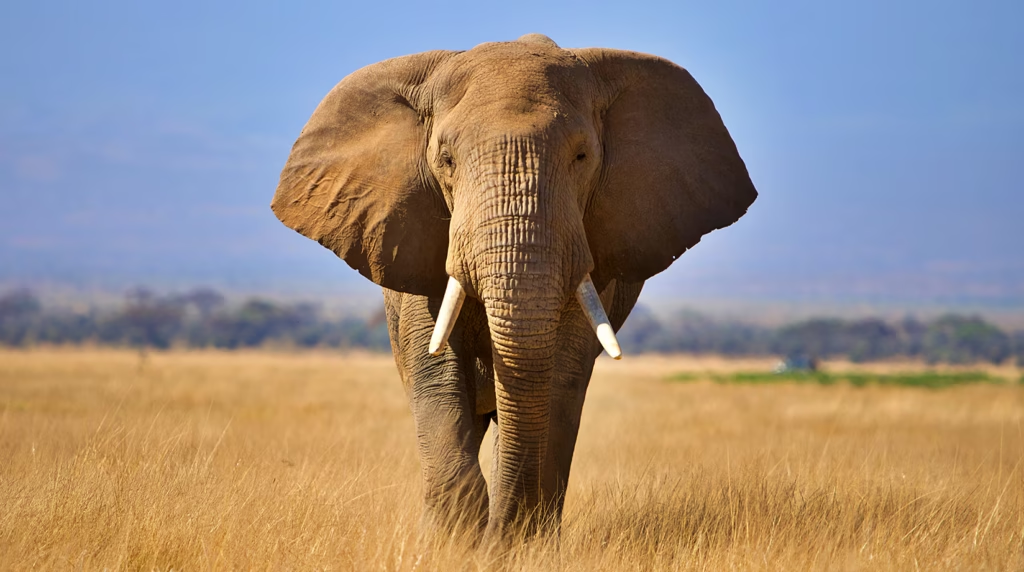
Global Elephant Crisis: Why 2025 Could Be a Turning Point for Their Survival
Elephants have roamed Earth for millions of years, shaping forests, grasslands, and entire ecosystems. But in 2025, these ancient giants stand at a crossroads. Elephant populations particularly in Africa continue to decline due to poaching, habitat loss, and the illegal ivory trade. Yet, this year also marks unprecedented conservation efforts, political alliances, and technological breakthroughs giving hope that we may finally be able to reverse their downward spiral.
This article examines why 2025 is being called “The Turning Point Year” for global elephant conservation—and what must happen next to save them.
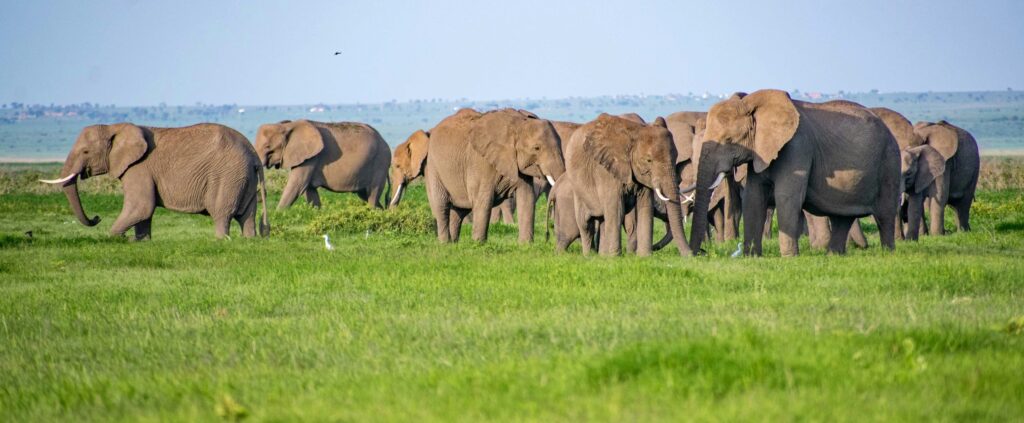
The Crisis in Numbers
Elephant populations tell a story of both tragedy and resilience:
African Savanna Elephants
- Population: ~350,000
- Status: Endangered
- Decline: Down 60% in the last 50 years
African Forest Elephants
- Population: ~100,000
- Status: Critically Endangered
- Decline: 86% in the last 30 years
Asian Elephants
- Population: ~50,000
- Status: Endangered
- Decline: Losing 1500 elephants a year
The numbers are grim, but they’re not the full story. Elephants are ecosystem engineers they shape the land, dig water holes, open forest paths, and distribute seeds. Lose elephants, and entire ecosystems collapse with them.
Poaching:
Ivory remains a global black-market commodity worth billions. Despite bans, poachers continue killing elephants at alarming rates.
Why poaching persists in 2025:
- High ivory demand in black markets across Asia
- Poverty in remote African communities driving illegal hunting
- Organized crime syndicates controlling supply chains
- Weak enforcement in forested regions (especially for forest elephants)
But 2025 is also witnessing the largest surge in anti-poaching tech ever deployed.

The Tech Revolution That’s Changing Everything
The rise of artificial intelligence is transforming wildlife protection:
1️⃣ AI Drones and Thermal Cameras
- Track poachers at night
- Detect illegal movement in real time
- Cover massive landscapes faster than human patrols
2️⃣ Acoustic Sensors
Placed across forests, they detect:
- Gunshots
- Chainsaws
- Elephant distress calls
3️⃣ GPS Collars
These help identify:
- Elephant migration routes
- Poaching hotspots
- Human–elephant conflict zones
4️⃣ Predictive AI Models
These systems forecast:
- Which areas poachers will attack next
- Which herds are at highest risk
- Best patrol routes for anti-poaching teams
This is the first time technology is slightly ahead of illegal wildlife cartels.
Habitat Loss:
While poaching kills elephants instantly, habitat loss kills them slowly.
Major causes in 2025:
- Expanding farms
- Urban sprawl
- Deforestation for mining
- Highways cutting migration corridors
- Climate change shrinking water sources
Across India, Sri Lanka, Kenya, Tanzania, and Botswana, shrinking habitats are causing increased human–elephant conflict, leading to:
- Crop damage
- Deaths of farmers
- Retaliatory killings of elephants
In 2025, climate change is worsening droughts, pushing elephants closer to human settlements.
The Good News: Conservation Is Working
Despite the crises, elephant conservation has made massive progress.
Success Stories:
🐘 Botswana
Home to 130,000 elephants, the country maintains the world’s largest stable elephant population.
🐘 Kenya
Elephant numbers increased by 12% in the past decade, thanks to stronger enforcement and community programs.
🐘 India
New “Elephant Reserves” have been declared across Odisha, Tamil Nadu, and Karnataka in 2024–2025.
🐘 China
Since banning ivory sales in 2017, illegal demand has dropped significantly.
2025 might be the first year elephant populations stop declining if these efforts continue.
Indigenous and Local Communities: The Real Heroes
Elephants live alongside some of the poorest rural communities. Empowering these communities is essential.
Successful community programs include:
- Eco-tourism initiatives providing income
- Bee-fencing to keep elephants away from farms
- Compensation schemes for crop losses
- Elephant corridors created through community land leasing
When locals benefit from elephants, they protect them.
What 2025 Must Achieve
Experts say these actions must happen now:
1️⃣ Strengthen global ivory bans
All countries must enforce 100% prohibition.
2️⃣ Expand protected areas
Elephants need massive landscapes to survive.
3️⃣ Connect fragmented habitats
Migration corridors are essential for genetic diversity.
4️⃣ Increase funding for anti-poaching tech
AI can only help if widely deployed.
5️⃣ Reduce human– elephant conflict
Better fencing, early-warning systems, and compensation schemes.
6️⃣ Support community-led conservation
Locals must benefit economically from elephant protection.
Conclusion:
Elephants are more than animals they are symbols of evolution, culture, and nature’s intelligence.
Saving them is not an act of charity; it is an act of survival.
If elephants vanish, forests shrink.
When forests shrink, the climate worsens.
When the climate collapses, so do we.
2025 gives humanity one rare opportunity:
Save the elephant, save the ecosystem save ourselves.