MARINE SANCTUARIES
🌍 The Blue Heart of Our Planet
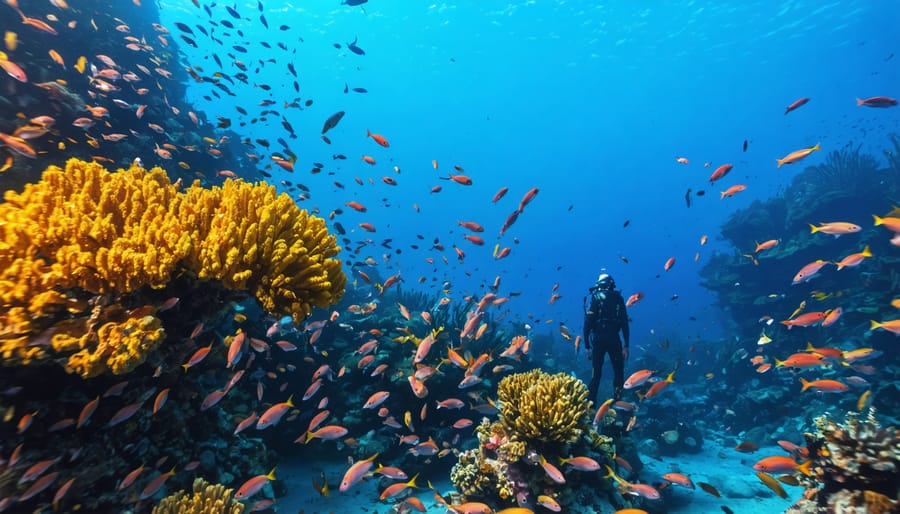
The ocean covers more than 70% of the Earth, yet most of it remains unexplored, unseen, and misunderstood. Beneath the surface lies a world of extraordinary ecosystems coral cities glowing with bioluminescence, deep-sea forests swaying in silent rhythms, seamounts rising like underwater mountains, and vast blue plains teeming with ancient life.
But like all beautiful things, these underwater kingdoms are fragile.
Climate change, plastic pollution, illegal fishing, deep-sea mining, and ocean acidification are pushing marine life to its breaking point.
Marine sanctuaries protected regions of the ocean are humanity’s most powerful tool to stop this collapse.
These sanctuaries function like underwater national parks. They protect endangered species, restore habitats, support fisheries, stabilize climate systems, and preserve biodiversity. When marine sanctuaries thrive, the entire ocean heals. When they fail, the entire food chain collapses.
Welcome to the blue frontier Earth’s last wild sanctuary.
🌊 WHAT EXACTLY IS A MARINE SANCTUARY?
Marine sanctuaries are specially protected ocean areas where human activities are limited or completely banned to allow the marine environment to recover and thrive.
They are known by many names:
- Marine Protected Areas (MPAs)
- Marine Parks
- Ocean Sanctuaries
- Marine Reserves
- No-Take Zones
- Coastal Conservation Zones
While names vary, the goal is the same:
➡️ Protect the ocean’s biodiversity, habitats, species, and ecosystems.
Some sanctuaries focus on:
- coral reefs
- mangrove forests
- seaweed meadows
- seagrass beds
- whale migration routes
- shark nurseries
- deep-sea mountains
- coastal wetlands
- marine breeding grounds
Others protect multiple ecosystems in one vast region.
The strongest sanctuaries are “No-Take Zones.”
These are areas where:
- no fishing
- no mining
- no drilling
- no extraction
- no industrial development is allowed.
Research shows these zones increase biodiversity by up to 600% and fish biomass by up to 700% in less than a decade.
Marine sanctuaries are not just protected areas they are life-support systems for the oceans.
🌊WHY MARINE SANCTUARIES MATTER
The ocean is not just water; it is a living engine that powers the planet.
Marine sanctuaries protect:
- climate regulation
- oxygen production
- carbon absorption
- food chains
- coastline stability
- underwater biodiversity
Here are the key reasons they matter:
🔥 1. Sanctuaries Save Endangered Species
Many of the ocean’s most iconic creatures are on the brink of extinction:
- Sea turtles
- Sharks
- Whales
- Dolphins
- Manta rays
- Sea otters
- Coral species
- Giant clams
- Dugongs
Marine sanctuaries protect breeding grounds, feeding areas, migration routes, and nursery zones.
A sea turtle that lays eggs in a protected sanctuary has a 700% higher chance of successful reproduction.
A reef shark in a no-take zone lives five times longer and grows much larger.
Whales protected from ship strikes and noise pollution recover population numbers 3× faster.
🌱 2. Sanctuaries Protect Coral Reefs and Coral Reefs Protect Us
Coral reefs:
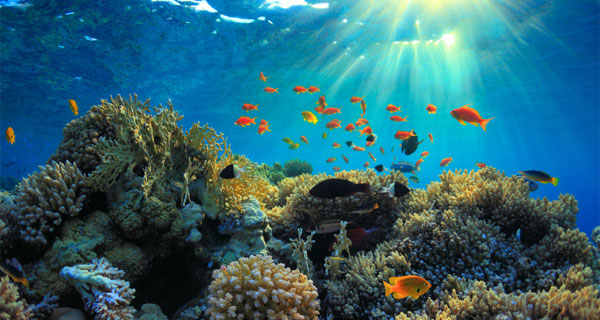
- support 25% of all marine life
- generate $36 billion per year through tourism
- protect coastlines from storms
- feed millions of people
Yet half of the world’s reefs are already dead or severely damaged.
Marine sanctuaries prevent:
- destructive fishing
- pollution
- anchoring damage
- coral mining
Many sanctuaries also support coral restoration, coral gardening, and heat-resilient coral breeding.
🐟 3. They Restore Fish Populations and Boost Fisheries
Fisheries outside sanctuaries actually benefit from sanctuaries.
This is known as the spillover effect.
When a protected area allows fish populations to grow and reproduce freely, adult fish eventually move out into surrounding waters increasing catch numbers and improving local livelihoods.
In nations with strong marine sanctuaries:
- fishermen earn more
- fish stocks recover faster
- ecosystems stabilize
- illegal fishing drops
🌬 4. They Help Fight Climate Change
Marine sanctuaries protect the ecosystems that store vast amounts of carbon:
- mangroves
- salt marshes
- seagrass meadows
- kelp forests
- deep-sea sediments
These are collectively known as “blue carbon ecosystems.”
They capture carbon 10–20 times faster than forests on land.
Destroying them releases carbon back into the air. Protecting them slows global warming.
🌀 5. Marine Sanctuaries Protect Coastlines
Healthy reefs, mangroves, and seagrass beds form natural barriers against:
- tsunamis
- cyclones
- storm surges
- rising seas
- erosion
Countries without strong marine sanctuaries face higher destruction during storms.
📚 6. Sanctuaries Support Education, Tourism & Local Economies
Marine sanctuaries attract:
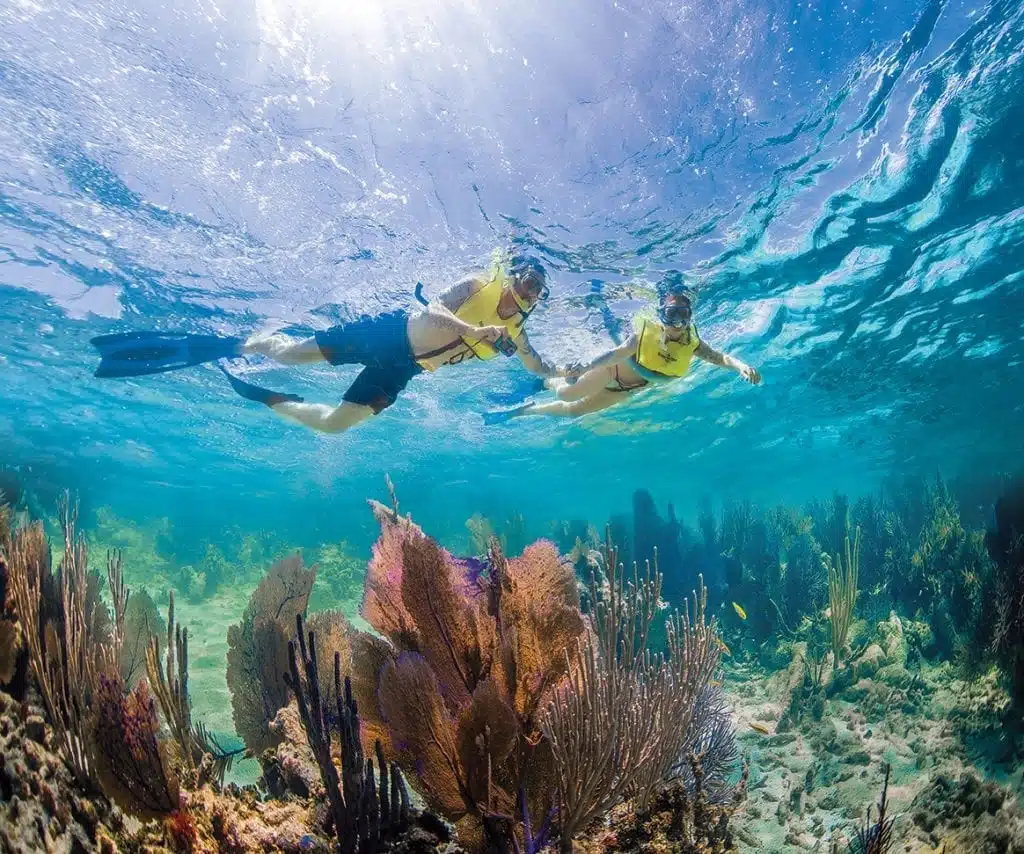
- divers
- snorkelers
- researchers
- filmmakers
- tourists
They generate income for coastal communities and encourage eco-friendly tourism.
Rather than destroying the ocean for short-term gain, sanctuaries promote a sustainable circular economy.
What Makes Marine Sanctuaries So Important?
Marine sanctuaries are not just pretty underwater parks they are living engines that keep our planet running. They influence everything from the air we breathe to the water we drink, and even the food on our plates. Their importance extends far beyond the blue horizon; they shape weather, protect coastlines, store carbon, support fisheries, and maintain global biodiversity.
🌬️ A. Marine Sanctuaries Are Earth’s Largest Oxygen Factories
When people think of oxygen production, their minds jump to forests. But the real heroes are underwater.
Phytoplankton microscopic, drifting plants in the ocean generate over 50% of the world’s oxygen. In protected marine sanctuaries, these plankton thrive without destructive disturbances like oil spills, trawling nets, chemical runoff, or sediment disruption.
Imagine billions of tiny photosynthetic organisms floating in turquoise water, quietly releasing the oxygen we inhale.
Every breath you take has a 50% chance of coming from the sea.
If marine sanctuaries collapse, the oxygen supply chain of the entire planet becomes unstable.
This single fact should be enough to convince humanity to guard marine sanctuaries as if our lives depended on them because they do.
🌊 B. They Act as Natural Climate Regulators
Marine sanctuaries help stabilize Earth’s climate more efficiently than any manmade system.
How?
- Oceans absorb 93% of the excess heat trapped by greenhouse gases.
- Marine vegetation (mangroves, seaweed forests, seagrasses) stores 10x more carbon per hectare than land forests.
- Coral reefs reduce storm energy and prevent coastline erosion.
When marine sanctuaries are healthy, they act as Earth’s thermostat cooling, regulating, storing, absorbing, and buffering environmental disruptions.
When they are damaged, the thermostat breaks.
Climate change accelerates.
Storms grow stronger.
Heatwaves intensify.
Coastlines vanish.
🐠 C. They Preserve Irreplaceable Biodiversity
Marine sanctuaries are underwater fortresses of life, each one holding thousands of species many of which are found nowhere else on Earth.
Inside them, you find:
- Fish nurseries
- Coral kingdoms
- Turtle nesting grounds
- Whale migration corridors
- Shark breeding habitats
- Seagrass meadows
- Deep-sea hydrothermal communities
- Rare species still unknown to science
These sanctuaries are Noah’s arks for the ocean, ensuring that the world’s marine species do not vanish forever.
Without them, the following would collapse:
- Reef ecosystems
- Commercial fisheries
- Marine tourism
- Coastal economies
- Global food chains
We lose a species → We lose an entire thread of life → We weaken the entire web.
Biodiversity is the insurance policy of the planet and marine sanctuaries are the vault.
🥢 D. They Support Global Food Security
Over 3 billion people depend on fish as their main source of protein.
Marine sanctuaries:
- Protect breeding grounds
- Allow fish stocks to recover
- Prevent overfishing
- Maintain healthy populations
- Replenish nearby waters through “spillover effect”
This is not theory it is measurable science.
Fishing communities near protected sanctuaries consistently report:
- Larger catches
- More stable incomes
- Less need to travel long distances
- Higher species diversity
- Recovered fish populations within 3-5 years
Marine sanctuaries feed the world, sustainably.
Damage them, and global hunger increases.
Protect them, and the ocean remains generous.
🏝️ E. They Protect Coastal Communities From Natural Disasters
Coral reefs, mangrove forests, and seagrass beds all of which thrive in marine sanctuaries act as natural shields.
They protect coastal areas from:
- Tsunamis
- Cyclones and hurricanes
- Rising sea levels
- Coastal erosion
- Storm surges
A healthy coral reef can reduce wave energy by up to 97%.
In countries where mangroves were removed for development, cyclones caused catastrophic destruction.
But in areas where mangroves remain, damage was significantly lower.
Marine sanctuaries = Natural defense systems
Without them, millions more people would be displaced every year.
📚 F. They Are Living Laboratories for Researchers
Scientists rely on marine sanctuaries as stable, undisturbed ecosystems for:
- Climate research
- New medicines
- Understanding species behavior
- Marine biology studies
- Deep-sea exploration
- Coral regeneration techniques
Many breakthroughs came directly from protected sanctuaries, including:
- Cancer-fighting compounds found in coral reefs
- New antibiotics from deep-sea bacteria
- Anti-inflammatory molecules from marine sponges
- Biomaterials for surgery from jellyfish proteins
- Enzymes used in biotech from ocean microbes
Every sanctuary is a library of undiscovered medicine.
💙 G. They Strengthen Cultural Identity and Indigenous Knowledge
For coastal indigenous communities, marine sanctuaries are:
- Spiritual spaces
- Cultural traditions
- Ancestral fishing grounds
- Centers of folklore and mythology
- Sources of identity, belonging, and wisdom
Many indigenous practices such as temporary fishing bans, seasonal closures, and no-take zones inspired modern marine conservation.
We are not protecting just ecosystems, but entire cultures.
Marine sanctuaries also preserve ancient maritime knowledge that modern science is only beginning to understand.
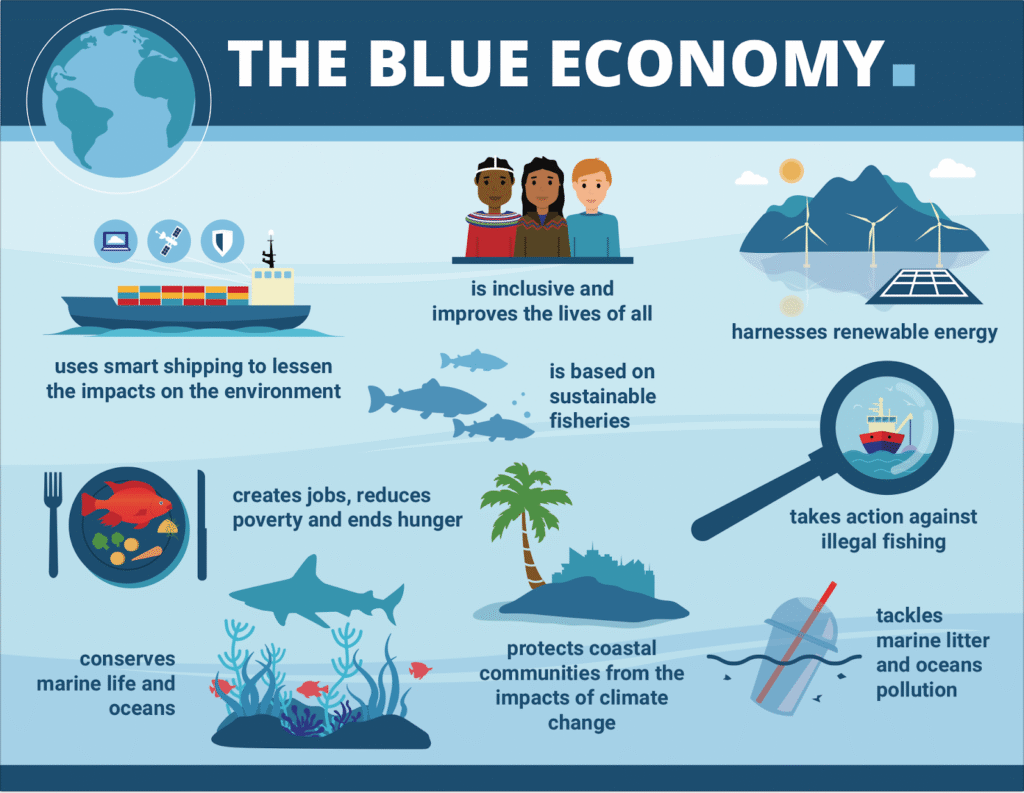
📸 H. They Power the Blue Economy
Marine sanctuaries drive sustainable economic growth through:
- Eco-tourism
- Scuba diving
- Snorkeling
- Marine research
- Sustainable fishing
- Conservation jobs
A single healthy reef can generate millions of dollars annually for local communities.
People travel across the world not to see concrete, but to see:
- Swimming manta rays
- Breaching whales
- Turtle nesting beaches
- Colorful coral gardens
- Crystal-clear blue waters
💡 I. They Inspire Innovation and Future Solutions
Marine sanctuaries spark human creativity.
Engineers, architects, and scientists study marine ecosystems to solve human problems:
- Shark skin patterns → Anti-bacterial surfaces
- Coral architecture → Stronger building materials
- Whale fin design → Energy-efficient wind turbines
- Jellyfish movement → Soft robotics
- Kelp flexibility → Better marine constructions
The Future of Marine Sanctuaries
The future of marine sanctuaries is a crossroads a moment in history where humanity must choose between restoration and ruin. What we decide in the next decade will shape oceans for the next 10,000 years. Because the ocean does not operate on human timelines. When a coral reef dies today, it might take centuries for it to return if it returns at all.
So, what comes next?
🚀 A. Technology Is Changing Ocean Protection Forever
Marine sanctuaries are embracing modern tools that once belonged to science fiction.
1. Satellite Monitoring
Satellites track illegal fishing ships in real time. Governments can now identify suspicious vessel movement patterns with AI software.
2. Underwater Drones
These drones explore areas too deep or dangerous for divers.
They record coral bleaching, track shark populations, and map underwater forests.
3. Acoustic Monitoring
Sensors placed underwater “listen” for:
- Whale calls
- Illegal dynamite fishing
- Boat engines
- Coral movement
- Climate-related stress signals
Fish and whales speak and now, we can hear them.
4. DNA Tracking Through Water Samples (eDNA)
Scientists can analyze a single drop of water to detect:
- Every species that has passed that area
- Invasive species
- Extinct species rediscoveries
- Disease outbreaks
The ocean’s fingerprint is now readable.
5. Coral IVF & Restoration Tech
Scientists collect coral sperm and eggs during spawning and grow baby corals in special nurseries.
Then they plant them on damaged reefs.
Marine sanctuaries are becoming climate-resilient “super reefs,” able to withstand heat and bleaching.
🛡️ B. Global Movements Are Rising to Protect 30% of Oceans by 2030
This is called the 30×30 goal.
Over 100 countries have agreed to protect 30% of land and oceans by the year 2030 creating the largest conservation effort in human history.
If successful, it will mean:
- New sanctuaries the size of countries
- Fish population recovery
- Coral reef revival
- Massive carbon protection
- Stronger climate resilience
- Reduced extinction rates
For the first time ever, humans are trying to repair the ocean on a planetary scale.
💼 C. Blue Economy Will Redefine Careers, Jobs, and Business
The ocean will soon become one of the world’s largest economic sectors but sustainably.
A thriving blue economy includes:
- Eco-friendly tourism
- Marine biotechnology
- Green shipping
- Renewable ocean energy (wave, tide, offshore wind)
- Seaweed farming for food & packaging
- Ocean-based carbon capture
- Sustainable fisheries
Marine sanctuaries will be the core, the command centers, the safe zones for research and innovation.
The future economy is blue and marine sanctuaries are the foundation.
🐬 D. Youth and Indigenous Leadership Will Transform Policy
Around the world, young activists and indigenous communities are becoming guardians of marine sanctuaries.
Indigenous groups, with knowledge passed down for thousands of years, understand marine rhythms better than modern governments.
They know when:
- Fish migrate
- Seas are rough
- Reefs spawn
- Shorelines shift
- Turtles nest
Young climate activists are demanding:
- No plastic zones
- Zero deep-sea mining
- Stronger sanctuary laws
- Better waste management
- Climate justice
The ocean needs leadership and the next generation is stepping forward.
🐠 E. Marine Sanctuaries Will Decide Which Species Survive Climate Change
As oceans warm, species migrate to cooler waters.
But without protected migration corridors, many will die.
Marine sanctuaries will act as:
- Climate refuges
- Safe migration pathways
- Breeding grounds
- Genetic reservoirs
They will determine the future of:
- Whales
- Sharks
- Coral reefs
- Sea turtles
- Tuna
- Penguins
- Seadragons
- Seals
- Reef fish
The survival of entire evolutionary lineages depends on sanctuary expansion.
We protect sanctuaries → They protect species → Species protect ecosystems → Ecosystems protect us.
This is nature’s circle of life.
🌎 CONCLUSION:
Marine Sanctuaries Are Not Optional They Are Our Last Line of Defense
The ocean is not just a place we visit it is our origin, our lifeline, and our future. Every wave carries the memory of the planet’s creation, and every marine sanctuary holds the blueprint for its survival.
Marine sanctuaries are not simply protected areas;
they are earth’s lungs, climate stabilizers, food banks, storm shields, research hubs, economic engines, and spiritual landscapes.
When we protect them, we are not saving “nature out there.”
We are saving ourselves here.
Because:
- Every breath you take is half ocean.
- Every rainfall cycle depends on the sea.
- Every coastline is shaped by the reefs.
- Every climate system is controlled by ocean heat.
- Every economy near water depends on marine health.
- Every future generation inherits the ocean we leave behind.
The greatest tragedy would be to realize too late that we needed the ocean more than it ever needed us.
But the greatest victory?
To restore it fully, beautifully, eternally.