Zero-Waste Living Explained
WHY THE WORLD NEEDS THIS MOVEMENT NOW
The world has a waste problem. A big one. Every minute, humanity throws away 3 million kilograms of trash. Every single day, we fill the planet with enough garbage to cover hundreds of football fields. Every year, the waste we create can form mountains mountains higher than skyscrapers and deeper than oceans.
But here’s the real tragedy:
Most of this waste never really “goes away.”
- The plastic water bottle you drank today will outlive you.
- The grocery bag you used for 10 minutes will last 500 years.
- The straw you threw out last night may end up inside a sea turtle.
- The toys your child breaks and discards will sit in a landfill longer than your great-grandchildren will be alive.
We live in a world built on convenience single-use everything.
A coffee cup used for 20 minutes.
A plastic lid used for 3 seconds.
A takeaway container that lives for centuries.
Humanity created a system where waste is normal. Expected. Invisible.
Zero-waste living is an answer not just a lifestyle trend, but a quiet revolution.
A movement that reminds us:
✨ “What we throw away doesn’t disappear. It only leaves our hands not our planet.”
This article explains the global waste crisis, the science behind it, and how zero-waste living can rebuild our relationship with the Earth.
WHAT DOES ZERO-WASTE LIVING ACTUALLY MEAN?
Most people think zero-waste living means:
- No trash
- No plastic
- No buying
- No consumption
But that is NOT true.
Zero-waste doesn’t mean perfection.
It means intention.
💡 The Real Definition:
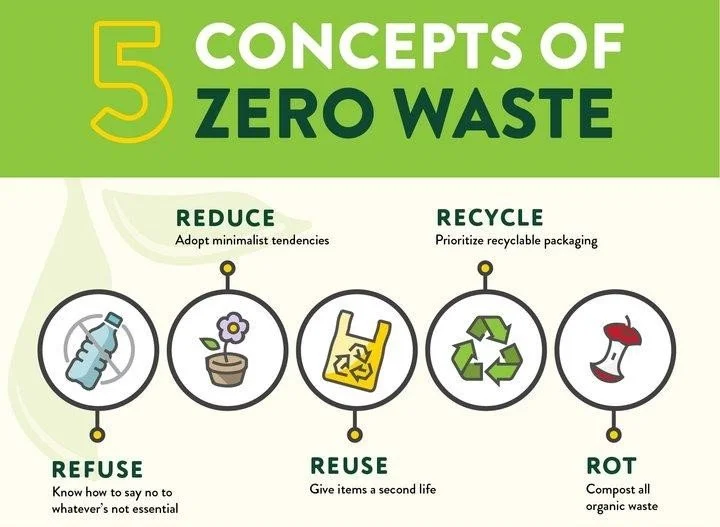
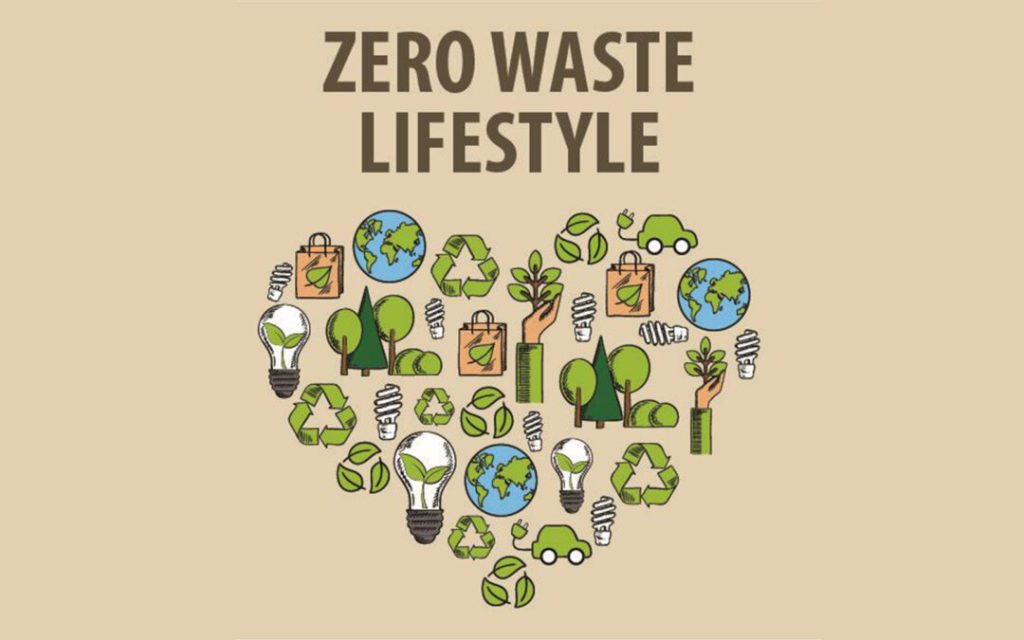
Zero-waste living is a lifestyle that aims to eliminate unnecessary waste by rethinking how we buy, use, and discard products.
It focuses on:
- Refuse what you don’t need
- Reduce what you do need
- Reuse what you consume
- Recycle only when you cannot reuse
- Rot (compost) the rest
This principle is sometimes called the 5 R’s of Zero Waste.
🤔 Misconceptions About Zero-Waste
- It’s NOT expensive
- It’s NOT only for minimalists
- It’s NOT living without modern comforts
- It’s NOT about fitting all trash into a jar
- It’s NOT about being perfect
Zero-waste is simply a smarter, healthier, cleaner way to live.
THE SCALE OF THE WASTE CRISIS (AND WHY IT’S TERRIFYING)
We cannot understand zero-waste without understanding the global waste emergency.
🔹 Landfills Are Overflowing
Humanity produces 2.24 billion tonnes of waste every year.
By 2050, that number will rise to 3.4 billion tonnes.
Landfills produce:
- Methane (a greenhouse gas 84x stronger than CO₂)
- Toxic leachate that contaminates soil and groundwater
- Air pollution that harms nearby communities
Most landfills will reach full capacity soon.
🔹 Plastic Pollution Is Out of Control
We produce 400 million tonnes of plastic per year.
Half of it is single-use.
Every year:
- 11 million tonnes of plastic enter the ocean.
- That’s a garbage truck dumping plastic into the sea every minute.
By 2050, scientists predict there will be:
More plastic in the ocean than fish.
Plastic harms wildlife:
- Turtles mistake bags for jellyfish
- Whales ingest fishing nets
- Birds feed plastic to their chicks
- Fish absorb microplastics
- Humans eat seafood containing plastic particles
The trash we create comes back to us.
🔹 The Microplastic Threat
Microplastics are tiny particles of plastic smaller than a grain of sand.
They have been found in:
- Human blood
- Placenta
- Breast milk
- Drinking water
- Rain
- Soil
- Snow on Mount Everest
- Deep ocean trenches
We have plastic running through the veins of the planet and our own.
🔹 Waste Harms Wildlife
Over 1 million marine animals die yearly due to trash.
Land animals elephants, cows, dogs, deer die from eating plastic from landfills.
The waste crisis is not “an environmental problem.”
It is a humanity problem.
WHERE DOES YOUR WASTE REALLY GO?
Let’s follow a single piece of trash:
A plastic bag.
Step 1: You Throw It Away
You use it for 10 minutes. You throw it in the dustbin.
Step 2: Collection
A garbage truck picks it up.
Step 3: Landfill or Incineration
There are two possibilities.
A. Landfill
The bag sits there for centuries.
It breaks down into microplastics and contaminates soil and water.
B. Burned (Incinerated)
Burning creates toxic gases linked to:
- Cancer
- Heart disease
- Respiratory illness
Step 4: If It Escapes
If the bag flies out of the truck or landfill, wind carries it to a river.
Rivers carry it to the sea.
Step 5: Ocean
It floats slowly breaking down into microplastics.
A sea turtle sees it.
Mistakes it for a jellyfish.
Eats it.
Dies of starvation because plastic blocks its stomach.
The turtle dies, decomposes, but the plastic bag remains.
It continues killing for decades.
HOW ZERO-WASTE LIVING WORKS (REAL-LIFE EXAMPLES)
Zero-waste living is not difficult.
It simply requires choosing reusable over disposable.
Here’s how it looks:
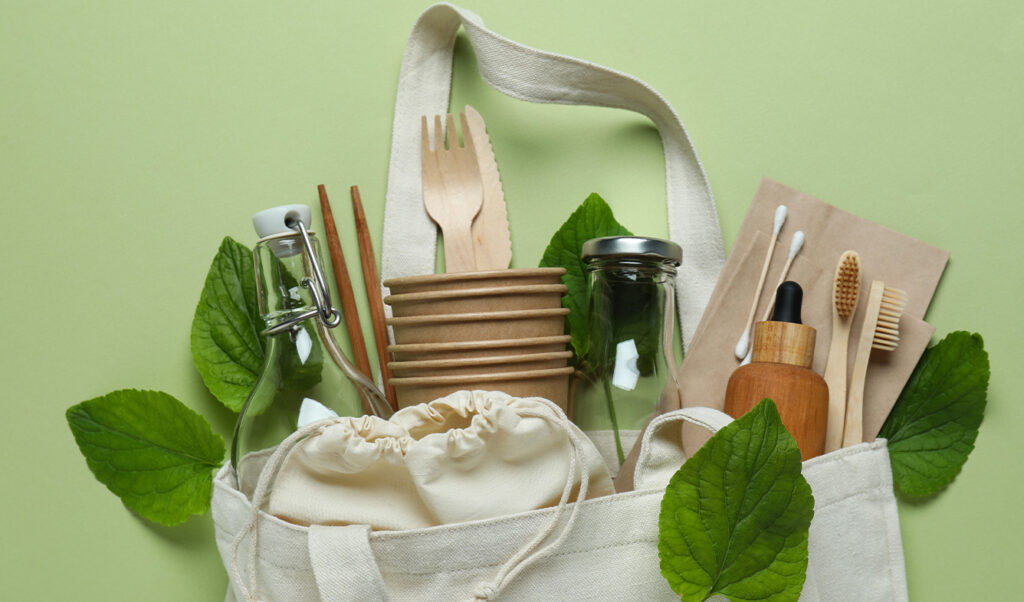
🛒 ZERO-WASTE SHOPPING
- Use cloth bags
- Buy loose vegetables
- Choose glass or metal over plastic
- Shop from farmers’ markets
- Bring your own containers
🏠 ZERO-WASTE KITCHEN
- Store food in stainless steel/glass
- Use cloth towels instead of paper towels
- Compost food scraps
- Buy dry goods in bulk
- Avoid packaged processed food
🚿 ZERO-WASTE BATHROOM
- Bamboo toothbrush
- Shampoo bars instead of bottles
- Refillable soap
- Menstrual cups or cloth pads
- Metal razors instead of disposable
🧼 ZERO-WASTE CLEANING
- Vinegar + baking soda cleaners
- Refillable detergents
- Compostable sponges
- Microfiber or cotton cloths
🎒 ZERO-WASTE TRAVEL
- Carry your own bottle
- Bring your own cutlery kit
- Use cloth travel bags
- Refuse hotel toiletries
BENEFITS OF ZERO-WASTE LIVING
🌱 A. Environmental Benefits
- Less plastic pollution
- Lower carbon emissions
- Cleaner oceans
- Reduced landfill waste
- Healthier wildlife
- Less energy consumption
💰 B. Economic Benefits
Contrary to belief, zero-waste SAVES money:
- Reusable items last longer
- Less buying
- Lower food waste
- Homemade cleaners cost pennies
People who live zero-waste often save 30–40% more monthly.
🧠 C. Health Benefits
Zero-waste reduces exposure to:
- Microplastics
- Chemical cleaners
- Toxic cosmetics
You breathe cleaner air and consume fewer pollutants.
💙 D. Emotional & Mental Benefits
Cluttered homes create anxiety.
Minimalism creates peace.
Zero-waste living improves:
- Focus
- Happiness
- Calmness
- Mindfulness
- Life satisfaction
When you own less, you value more.
THE PSYCHOLOGY OF MINIMALISM & ZERO-WASTE
Zero-waste is deeply connected to human psychology.
Modern lifestyles overstimulate our brains too many choices, too much stuff, too much clutter.
Science shows that clutter:
- Raises cortisol levels (stress hormone)
- Reduces productivity
- Affects sleep quality
- Causes decision fatigue
Zero-waste reverses this.
It slows life down.
Humans evolved to live simply not in a world drowning in objects.
Minimalism and zero-waste bring us:
- Purpose
- Clarity
- Creativity
- Time
- Inner peace
MYTHS ABOUT ZERO-WASTE LIVING (DEBUNKED)
❌ Myth 1: It’s expensive
Truth: It’s cheaper long-term.
❌ Myth 2: It’s only for rich people
Truth: Zero-waste is about buying LESS, not MORE.
❌ Myth 3: It takes too much time
Truth: Wasteful living wastes more time shopping, replacing, repairing.
❌ Myth 4: One person can’t make a difference
Truth: A single person refusing single-use plastic reduces over 9,000 pieces of plastic waste per year.
❌ Myth 5: Zero-waste must be perfect
Truth: Zero-waste is not perfection; it is progress.
THE GLOBAL ZERO-WASTE MOVEMENT
Cities and countries are adopting zero-waste laws:
- Japan’s Kamikatsu town recycles 80% of its waste
- San Francisco diverts 80% from landfills
- Sweden turns waste into energy
- Germany restricts single-use plastics
- India bans many disposable plastics
- European Union mandates recyclable packaging
Corporations are shifting to:
- Refill stations
- Compostable packaging
- Recycled materials
HOW ZERO-WASTE HELPS CLIMATE CHANGE & WILDLIFE
Waste is directly connected to climate change.
Landfills = methane
Plastic production = fossil fuels
Incineration = carbon
Zero-waste dramatically cuts emissions.
It also protects wildlife:
- Fewer plastic deaths
- Less chemical pollution
- Cleaner rivers
- Healthier coral reefs
When you choose zero-waste, you protect:
- Whales
- Sea turtles
- Dolphins
- Birds
- Forests
- Rivers
- Oceans
Everything is connected.
ROADMAP TO ZERO-WASTE LIVING: FROM BEGINNER TO EXPERT
👶 Beginner Steps
- Say no to plastic bags
- Carry a water bottle
- Use reusable cups
- Avoid packaged vegetables
- Compost your food scraps
🧑 Intermediate Steps
- Switch to shampoo bars
- Use refillable containers
- Buy from bulk stores
- Replace disposable items
🧙 Advanced Zero-Waste
- Make your own cleaners
- Grow herbs or vegetables
- Live minimalistically
- Buy only what you truly need
ZERO-WASTE CHECKLIST
✔ Cloth bags
✔ Reusable bottle
✔ Metal cutlery
✔ Glass jars
✔ Compost bin
✔ Bamboo toothbrush
✔ Zero-waste cleaners
✔ Minimalist wardrobe
THE FUTURE OF ZERO-WASTE LIVING
The world is shifting toward:
- AI-powered waste sorting
- Smart recycling robots
- Biodegradable packaging
- Plant-based plastics
- Refill stations in every supermarket
- Zero-waste restaurants
- Circular economy systems
In the future, products won’t be “thrown away.”
They’ll be designed to stay in the system forever.
Waste will become a resource not a burden.